Nervous System · State Before Strategy
State before strategy
The same advice can be useless on Tuesday and true on Thursday. The difference was never the advice. It was the state of the body receiving it.
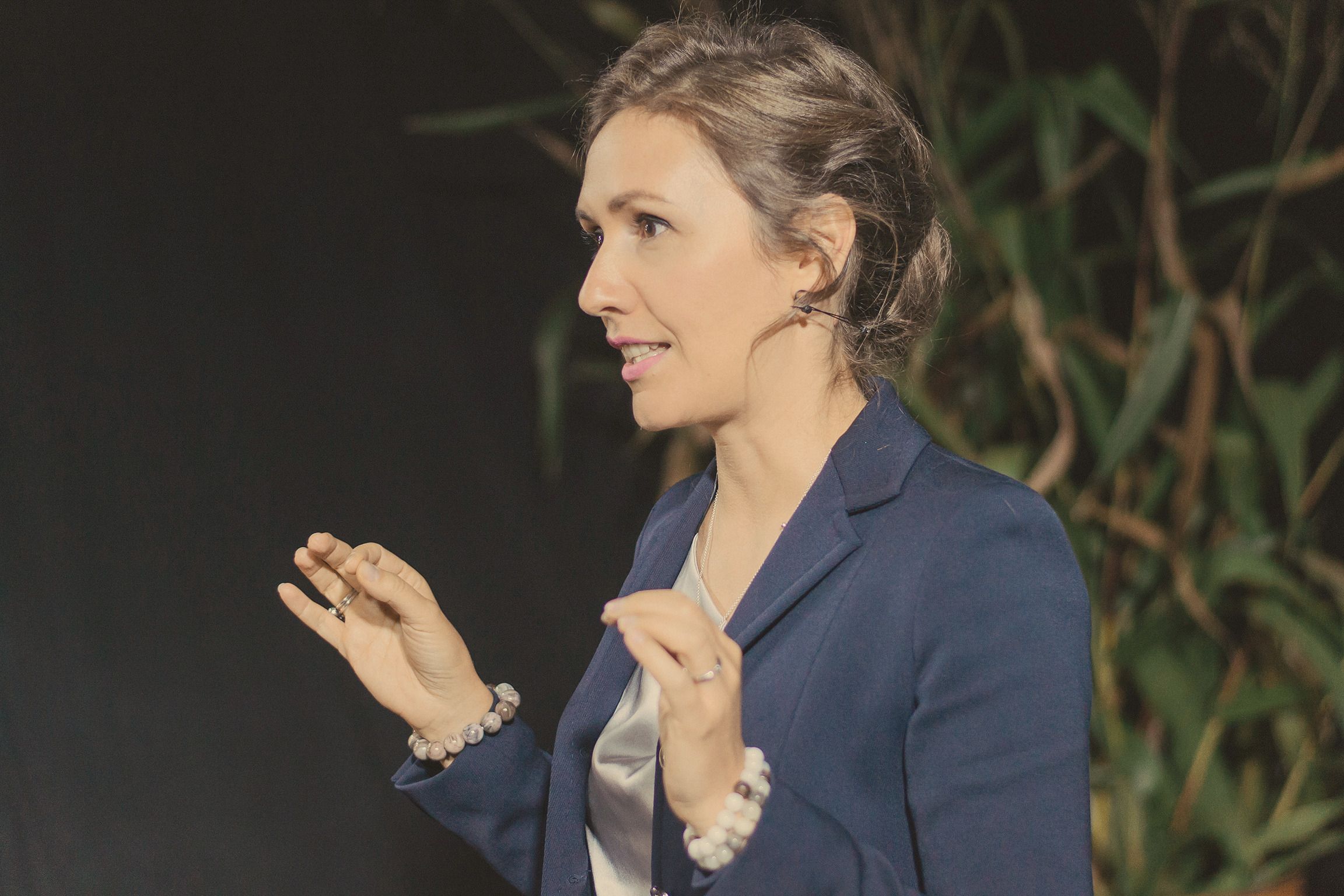
The same advice can be useless on Tuesday and true on Thursday.
You already know this if you have ever heard something obvious, breathe, slow down, say the honest thing, at a moment when your body simply could not do it, and then heard the exact same sentence a week later and felt it land like new information. The sentence did not change. You did.
That gap, between what you know and what you can access, is the whole subject of State Before Strategy, a free forty-five minute session we run online. This is the argument behind it.
Why the good advice doesn’t land
Under real pressure, the body runs a much older program than the one holding your calendar.
When your brain detects a threat, and yes, it can read a deadline as a threat, it switches into survival mode. The sympathetic nervous system takes over: fight, flight, push through. Attention narrows to the thing in front of you. Options that were obvious an hour ago go quiet, not because you forgot them, but because a body bracing for a fight has no bandwidth left for a fourth option. This is not a character flaw. It is a fairly literal description of what a threatened body is built to do.
That system is excellent when you need to survive a dragon. You fight, you catch your breath, you return to normal. The problem starts when fighting dragons becomes your everyday life. Chronic stress is exactly that, and it costs the things a leader is paid for: cognitive flexibility, creativity, learning, and the ability to make a thoughtful decision.
The same person, an hour later, with a slower breath and a felt sense of safety, has access to a wider set of possibilities. Same intelligence. Same values. Different state, different range of what is actually reachable.
Tension is not the best motivator
One of the biggest things I got wrong about success was believing that tension motivates.
For years I believed I did my best work under pressure. Tight deadlines brought out the best in me. Feeling calm was something I had to earn after the work was done; in my mind, work and peace simply did not belong together. And it worked, in the way survival always works: fear gives you adrenaline, it makes you move faster, it lets you push through exhaustion.
Then I noticed something I did not expect. Growth motivation is more effective than survival motivation. When a person works not in order to avoid dying, but in order to grow and to make something, a qualitatively different energy shows up. It lasts longer. It thinks better. It does not need the deadline to be a monster.
A sense of ground beneath you moves you further than fear does. That was a surprise to me, and I suspect it is a surprise to most people who were raised, as I was, to treat pressure as proof of seriousness.

What safety actually does
The opposite of survival is not laziness. It is safety.
When your nervous system feels safe, the parasympathetic branch takes over. This is the state in which the body restores itself, and it is also the state in which curiosity, creativity and real learning happen. Not because it is nicer. Because that is where the brain spends its resources when it is not spending them on defence.
This is why swimming, walking, yoga, breathwork, massage, aromatherapy and reflexology can be so powerful, and why they are so easy to dismiss as indulgence. They do not just help you relax. They change the state your brain is operating from. And that changes the way you think, create and decide. In other words, slowly and unglamorously, they change your reality.
A regulated nervous system is not a luxury. It is the condition the rest of the work depends on.
What I actually believe
People do not lose knowledge under pressure. They lose access to it.
I used to think my job was to hand people better strategies: a clearer boundary, a better script for the hard conversation. Some of that is useful. But I have watched the identical script fail from a braced body and succeed from a settled one, enough times to stop believing strategy was ever the first move.
Safety comes first, not because it is gentler, but because it is structural. You cannot think your way into a state your body has not agreed to yet. This is the core of how Rare Human works, on every page of our approach: notice the state, translate what it is asking for, then respond. Strategy is the third step, not the first.
The boring things turn out to be the foundation
If you feel stuck, one of the best things you can do is regulate your nervous system in every way available to you. Most of those ways sound boring. That is not an accident; the boring things are the ones that work on the body rather than on the story.
Lack of sleep increases anxiety. Alcohol increases anxiety, whatever it feels like in the first hour. So does poor nutrition. So does going a week without time in nature. And so does going a week without real human connection, because texting and being online cannot fully replace being in a room with someone, and the nervous system deeply needs it.
We only thrive from a state of safety. Everything else is coping, however impressive it looks from outside.

Where I still catch myself
Early on, I gave plenty of advice from my own anxious state, and wondered why it did not take.
It was not the content. People do not only hear a sentence; they read the state it is delivered from, the way a child reads a parent’s face before the parent has said a word. Children do not listen to us, they feel us. No inspiring speech about being brave and confident helps if the person giving it is braced. And if a specialist talks about happiness while numbing their own suffering, you can sit in their therapy for decades and it will not help. Only a person who is actually in the state can pass on the code for it.
I still catch myself trying to solve something with a better plan when what I need is a slower breath. The plan is usually fine. The body has not signed off on it yet.
Before your next hard conversation
Noticing your own state before you reach for the next strategy is a small, repeatable practice. It is worth trying once, on purpose.
Before the meeting, the message, the conversation you have been rehearsing: stop for thirty seconds and check the dashboard. Are your teeth touching? Is your breath in the chest or lower? Are your shoulders somewhere near your ears? Do not fix any of it yet. Just read it. Then let three exhales run longer than the inhales, and only then decide what to say.
You will notice that the strategy either survives the exhale or it does not. Either way you have learned something you could not have learned by thinking harder.
This is training, not therapy. If what you are carrying feels bigger than a state to notice and shift, please bring it to a clinician, not only to a workshop.
If you want one more tool for shifting state that fits in a pocket, read why scent is a nervous-system tool. State Before Strategy is a free, forty-five minute live online session built entirely around this one idea, open registration. For leadership teams, the same argument runs as the keynote Human Advantage, one of the programs we bring to organizations.