Body · Face
Why your face is puffy in the morning, and what actually helps
Morning puffiness is fluid that didn't move overnight. What causes it, what genuinely shifts it, and why the answer is rarely another cream.
A puffy face in the morning is not a skin problem. It is fluid that did not move.
I have been asked about this more than about almost anything else in fifteen years of teaching facial self-practice, and the answer people want is a product. The honest answer is a list of unglamorous things about sleep, salt, movement and the state your body spent the night in. Most of them are free. Several of them are the same things that regulate the nervous system, which is not a coincidence.
So here is the list, and then the part underneath the list.
What puffiness actually is
Edema, the word for it, is an excess of fluid held in the tissue between cells. Overnight you lie flat, you barely move, lymph has no muscle pump to push it along, and whatever your body was retaining settles into the softest, loosest tissue available: the eyelids, the under-eye area, the cheeks, the line of the jaw.
Three things drive it, and they need to be separated before anything else:
- Medical causes. Kidney and cardiovascular conditions, thyroid and other hormonal imbalances. If puffiness is new, persistent, one-sided or comes with other symptoms, this is a doctor’s conversation first, not a gua sha conversation. I mean that.
- Lifestyle causes. Sitting all day, hidden salt, alcohol, too little sleep, a warm bedroom, stress. This is where most morning puffiness lives, and it is where the list below works.
- Your own architecture. Some faces are simply built with more subcutaneous tissue and more permeable vessels. Many Slavic women have what cosmetologists call the “deformational” or edematous type; my own face is one of them. For this type the goal is prevention and daily habit, not a cure.
What actually helps
-
Move before you do anything else. Lymph has no heart of its own; it moves when muscles move. Thirty minutes of brisk walking, a few dozen squats, shaking out the arms and legs, gentle jumping. Morning puffiness responds to movement faster than to any product, and this is the single most reliable item on this list.
-
Fix the sleep set-up. A pillow that keeps the head slightly above the heart and the neck in line with the spine. A cool bedroom, around 16 to 18 degrees Celsius (61 to 64 Fahrenheit); warmth makes vessels leak more fluid into tissue. Puffiness is often just a hot room.
-
Find the hidden salt. It is rarely the salt shaker. It is sauces, bread, cheese, cured meat, anything canned or packaged. Cut those and the difference shows within days. For the salt you do use, choose sea or rock salt over refined table salt. I add a small pinch of Celtic sea salt to a glass of water in the morning; of the natural salts it has the lowest sodium and the highest magnesium, and it restores electrolytes the way coconut water does for people who have coconut water.
-
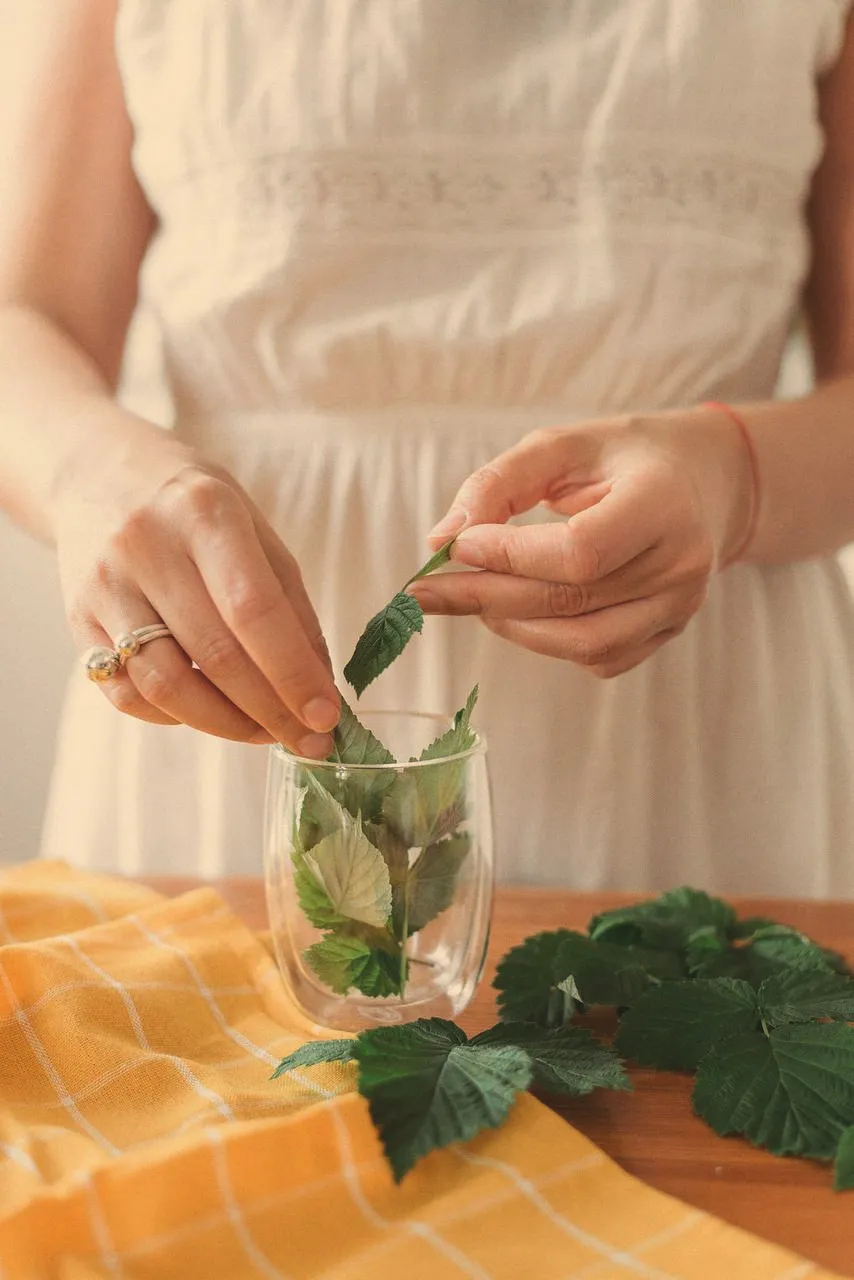
Water, but quality over quantity. Drinking more does not flush puffiness; drinking enough clean, mineral-balanced water lets the body stop holding on to what it has. Parsley tea is my old favourite for a heavy, water-logged morning: a handful of fresh parsley steeped in hot water for a few minutes with a squeeze of lemon. Not daily, because parsley works the kidneys hard, and not at all in pregnancy without a doctor’s word.
-
Lighten the evening skincare. Heavy creams before bed hold water in the skin. Use lighter gels and serums at night, apply them at least an hour before sleep, and blot off the excess after fifteen minutes. Ingredients that genuinely help the vessels and fluid balance: niacinamide, caffeine, hesperidin, arginine, seaweed and horse chestnut extracts, cornflower, green tea, centella. Use the application itself as a short massage: tapping, light pinching, always moving from the centre of the face outward.
-
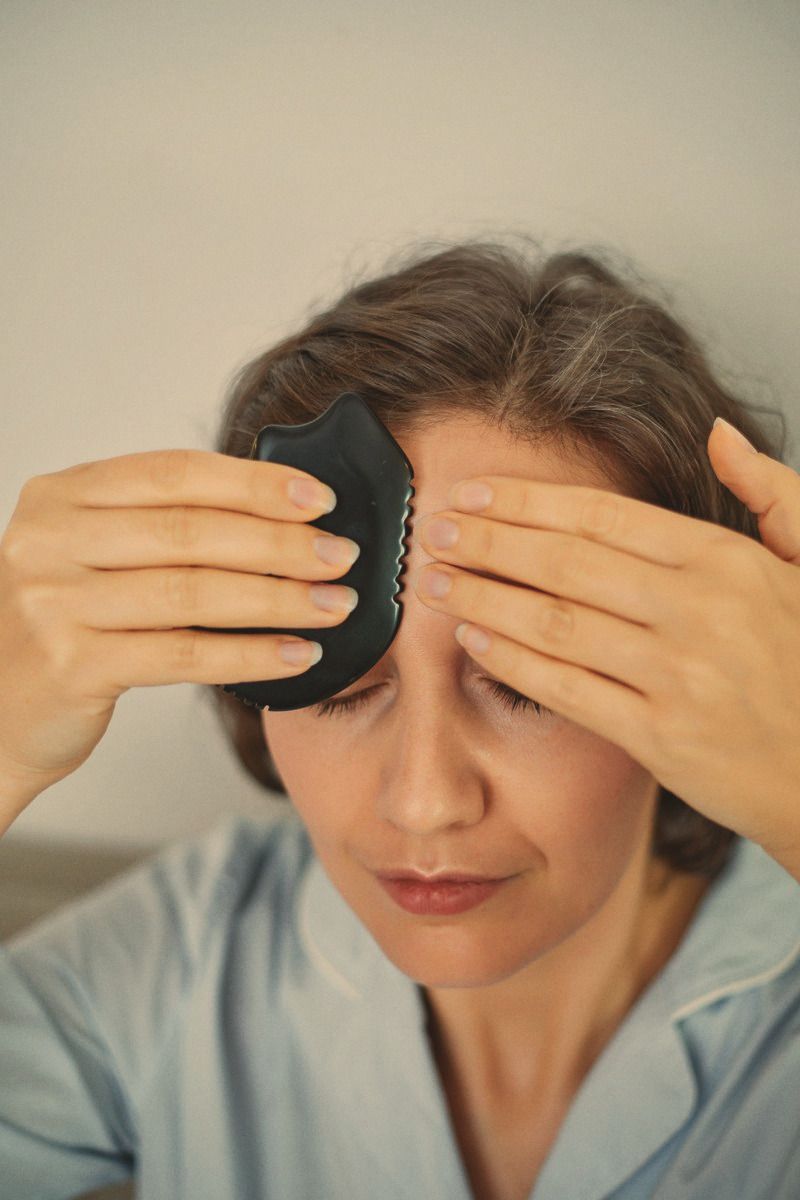
Move the lymph by hand, but not every day. Gua sha, a jade roller, dry brushing on the body: all of them push fluid toward the lymph nodes, which sit in front of the ears, under the jaw and at the collarbones. Direction matters more than pressure; you are guiding water, not sculpting. A full lymphatic self-massage once every two or three days is enough; more is not better, and the tissue needs the gap. Two or three drops of juniper, cypress or grapefruit essential oil in a carrier oil help the brush along.
-
Turn on the vessels with water. Alternating warm and cool water narrows and widens the vessels and gets lymph moving. I am not a cold-water person, so I only do this on the legs and feet, and even that gives an immediate lightness. If you love it, do the whole body.
-
Legs up the wall. Lie on your back with your legs against the wall, hips lifted on a pillow, for at least five minutes. It drains the legs, and it calms the nervous system at the same time, which brings us to the part underneath the list.
-
Clothes that do not pinch. Tight socks, underwear, waistbands and jeans interrupt both blood and lymph flow. If you are prone to puffiness, choose clothing so that nothing, anywhere, presses.
-
Check the neck. Tight neck muscles physically block drainage from the face. Posture, a few minutes of neck release and a hand at the base of the skull do more for the under-eye area than most eye creams.
A word on gua sha and tools
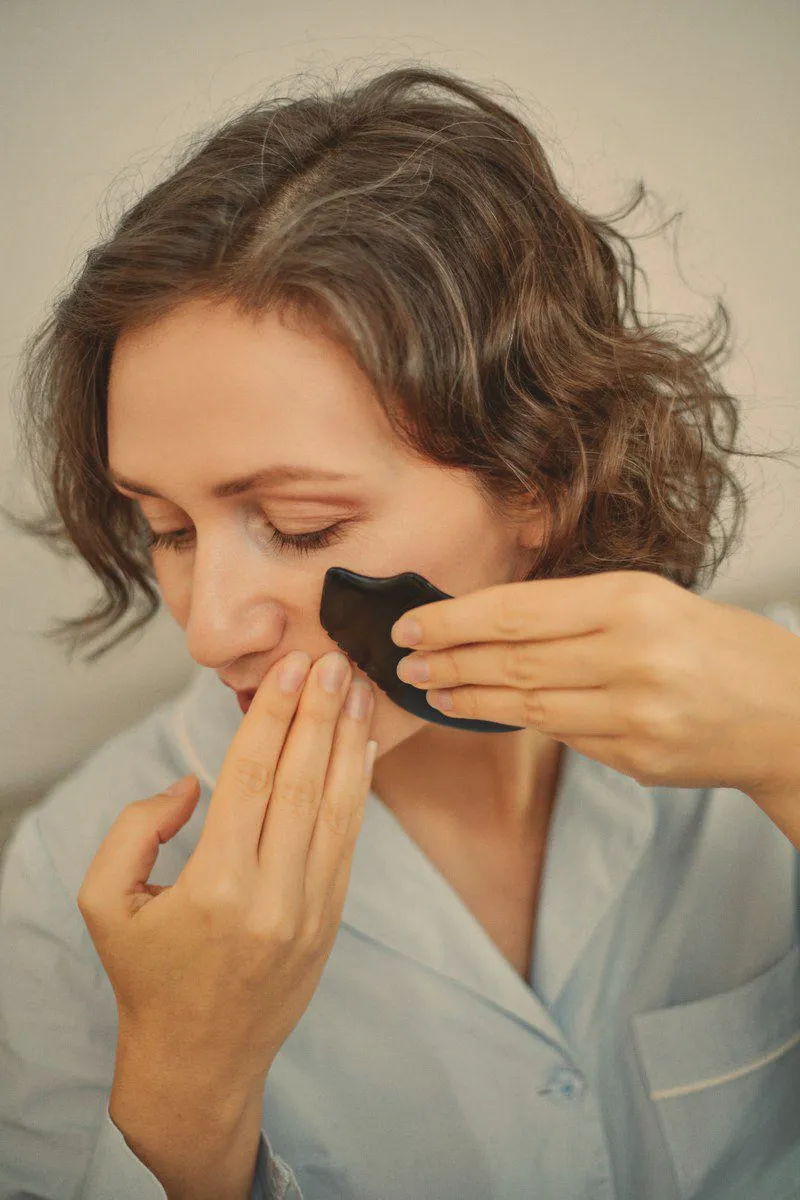
Gua sha has become a beautiful object with very little meaningful instruction attached. It works, when it works, because it moves fluid and releases the muscles that were holding it, not because the stone is magic.
There are real reasons not to do it: an acute infection or fever, active inflamed acne, severe rosacea, thyroid nodules, facial nerve problems or a flare of trigeminal neuralgia, herpes or shingles on the face, and any growths or clusters of moles in the area. If any of those apply, skip the tool and keep the walk.
The part underneath the list
Here is what nobody tells you about the puffy-face morning: look at what the night was.
A late, salty dinner, a glass of wine, a warm room, a screen until midnight, a jaw that clenched all night over the thing you did not say in the meeting. Puffiness is very often the visible trace of a body that spent eight hours in a braced state. The face is a dashboard. In the morning it is showing you last night’s readings.
That is why the items on this list overlap so exactly with the things that regulate the nervous system. Movement, cool air, water, touch, legs up the wall, a neck that has been allowed to soften. You are not treating your face. You are treating the state that produced it, and the face is simply the first place the change becomes visible.
Every practice, every recipe on this page, is an entry point. If it gets you into contact with your body in the morning, it has done its job. If it becomes one more thing to get right before you are allowed to leave the house, put it down. The body is not the enemy. It is reacting to your life, and it is asking you to notice.
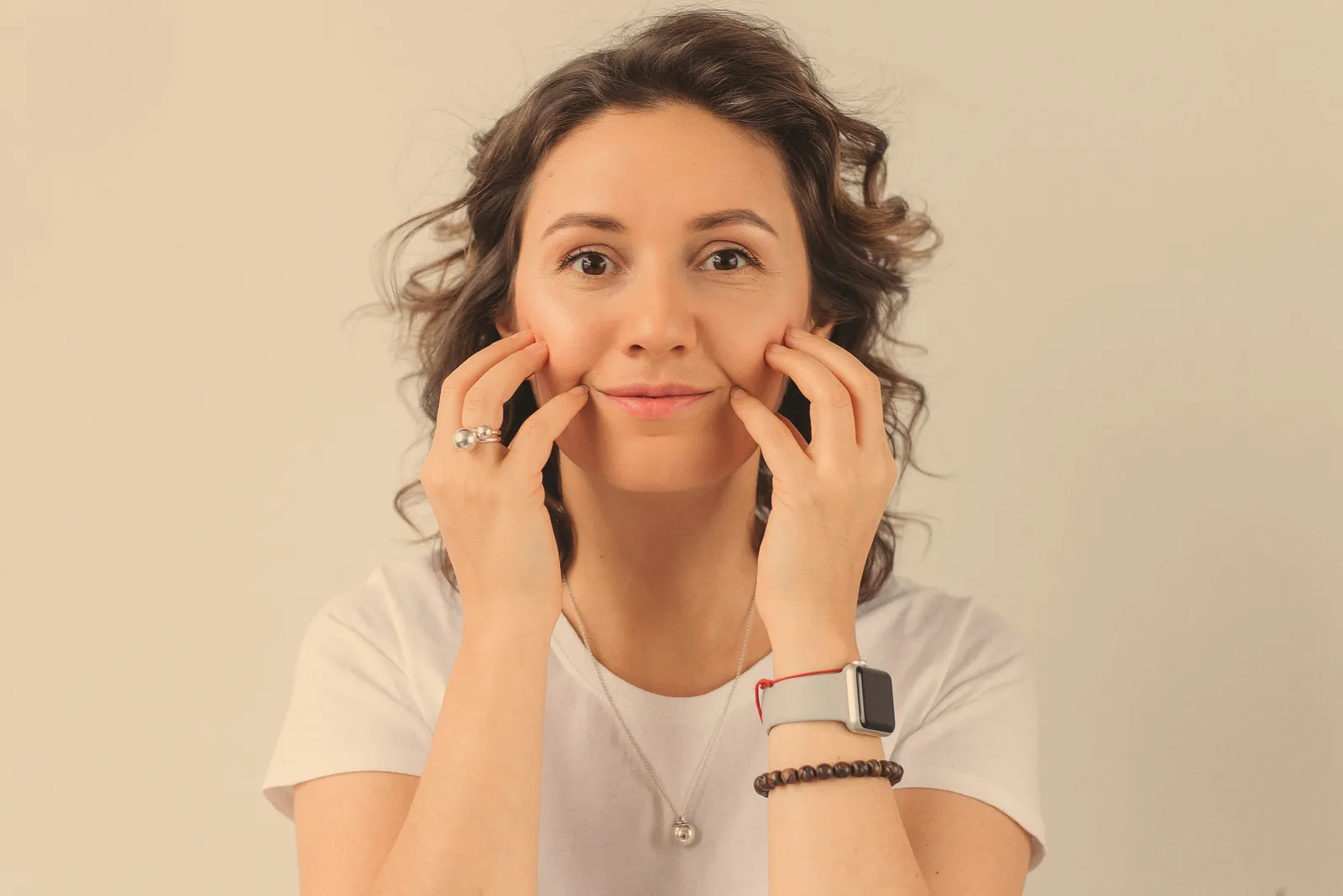
None of this is medical advice. It is what I do and what I have taught for fifteen years, and it assumes a body without an underlying condition; if you have one, your physician’s list comes before mine.
If the mornings are showing you tension as well as fluid, read where your face holds the day, the map of what the jaw, eyes and forehead are carrying. The Face You Wear All Day is the evening in SoHo where we practise this with our hands, and for teams the hands-on version is the Gua Sha and Facial Reflexology Reset.