Scent · Nervous System
Scent is a nervous-system tool, not a mood
Smell is the one sense wired straight into the part of the brain that decides whether you are safe. How to use that on purpose, and why pleasure is not a reward.
My mind, on a bad afternoon, sounds like this.
What if nobody needs what I make. Am I even going in the right direction. Zero likes on that post. Why does it work for her and not for me. If only my English were better. Time is running out. I should do everything perfectly.
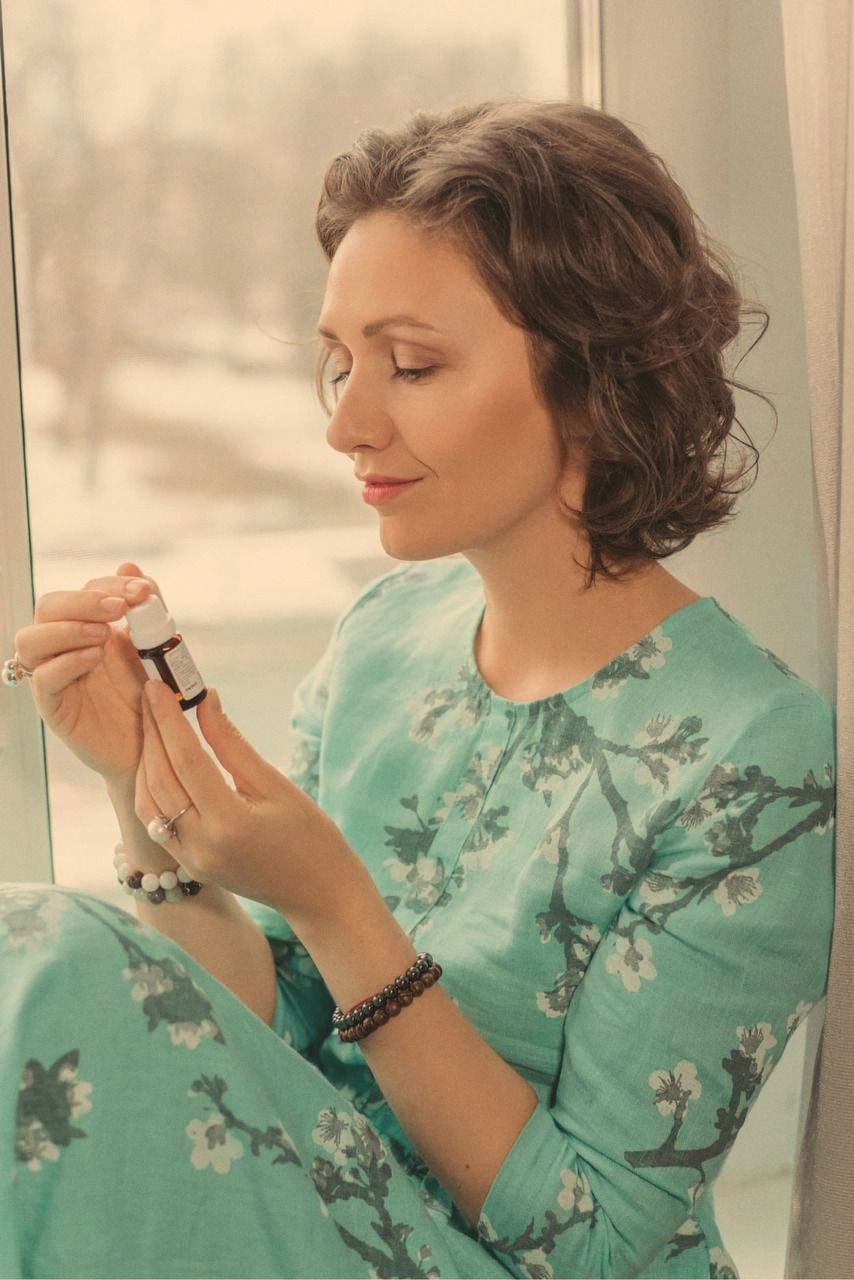
And me, on a good day: I send it packing, I open a bottle of mandarin oil, and I go for a walk.
That is not a coping ritual. It is a piece of engineering, and it is the reason scent is one of the six ways in on our approach and the whole subject of Scent, Memory and Pleasure, the salon we host in the West Village. Here is why it works.
The only sense with a direct line
Every other sense gets processed first. Sight, sound, touch: the signal goes through a relay station in the brain before it reaches the parts that decide what it means.
Smell does not wait. The olfactory nerve runs straight into the limbic system, the old part of the brain that holds emotional memory and runs the threat-or-safety decision. That is why a smell can put you in your grandmother’s kitchen before you have consciously identified it, and why a hospital corridor can tighten your stomach before you see a single door. The scent arrives at the feeling before it arrives at the thought.
This is exactly the part of the brain that a spiralling mind cannot reach with argument. You cannot talk an amygdala out of anything. You can, however, give it a different piece of evidence through the one channel that does not require permission from the thinking mind. That is what a bottle of essential oil is: a fast, portable message to the part of you that decides whether you are safe.
Thought is biochemistry, and so is scent
The way we talk to ourselves physically changes the body. Psychoneuroimmunology, the study of how thoughts affect the immune and hormonal systems, describes it plainly: every repeated thought becomes biochemical information. The brain translates inner speech into real signals, and the body answers with symptoms or with health. The brain does not distinguish a real danger from a belief. It responds not to facts but to the meaning we assign.
Scent works on the same machinery from the other direction. A regulated state is a chemical state, and the fastest lever most of us have on our own chemistry is the nose. Inhale something the body has learned to read as safe, and the breath slows, the shoulders drop, the parasympathetic branch takes over. From that state, the same problem looks different. Not solved. Different, which is the beginning of solved.
I have practised aromatherapy since 2009 and have been certified since 2011, and after all those years my honest summary is this: the oils are not the point. The state is the point. The oils are a door.
How to use it on purpose
Scent works by association, and associations are built, not bought. For what it is worth, the bottles I actually reach for are mandarin when my head is spinning, lavender or cedar when I need the day to end, and something green and bitter, like cypress or juniper, when I have been indoors too long and the body has gone flat. Yours will be different, and that is the point. A few rules I teach.
-
Choose one oil you actually like. Not the one the list says is calming. The one your body leans toward when you smell it. Want is data; should is noise, and nowhere is that truer than with the nose. The oil that makes you exhale is the right one, whatever it is called.
-
Buy a real one. A good essential oil carries the plant’s Latin name, the part of the plant, the country of origin and a batch number, and it comes in dark glass. The price will differ wildly between oils, because a kilo of rose petals and a kilo of orange peel are not the same thing; a range where every bottle costs the same is a warning. Fragrance oils and “aroma oils” are perfume, and they do nothing for the nervous system except remind it of a shop.
-
Pair it with one repeated action. The nervous system learns by pairing. Mandarin and a walk. Lavender and the lamp going off. Cedar and the first breath before a meeting. Do it twenty times and the smell alone begins to carry the state, which is the entire trick: you are building a switch you can flip in an elevator.
-
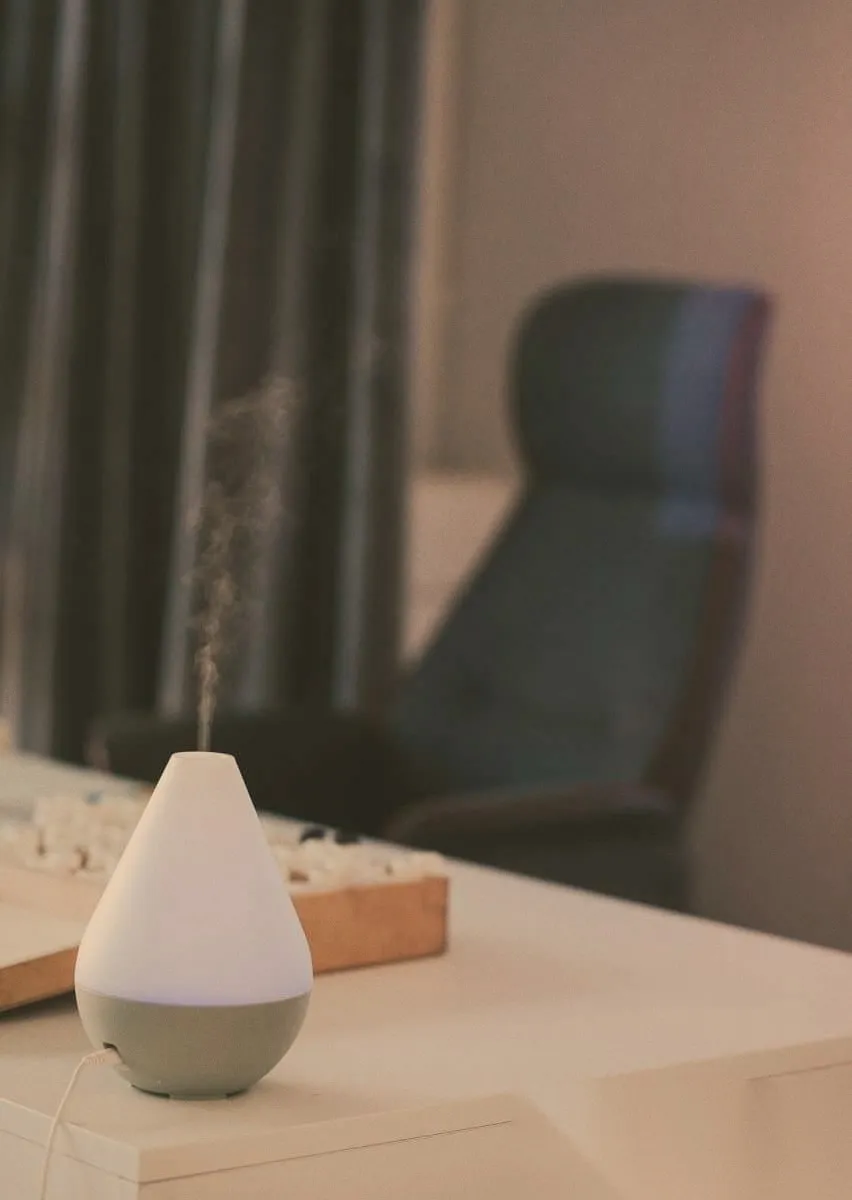
Keep it off the skin unless you know what you are doing. Inhaling from the bottle, a drop on a tissue, a diffuser: these are enough. Undiluted oil on skin, oils in pregnancy, oils around small children and anyone with asthma are all conversations for a trained aromatherapist first.
-
Use it before, not after. The best moment for scent is the thirty seconds before the thing that will brace you. It is much easier to keep a state than to recover one.
Pleasure is not a reward
Here is where the salon comes from, and where most wellness advice quietly gets it wrong.
We are taught to treat pleasure as something earned: after the work, after the weight, after the list is finished. Women especially. We are trained to endure first, to ignore tiredness, hunger and the need for space, and to collect the pleasure later, if there is any later.
The body does not run on that schedule. Pleasure is a regulation tool. The moment you smell something you love, the same parasympathetic shift happens that happens with a slow exhale; it is not a treat layered on top of the work of calming down, it is that work, done through a different door. A woman who has been in survival mode for a decade often has to relearn this from scratch: that a scent, a texture, a good meal in good company are not indulgences to be justified. They are how a nervous system finds out it is allowed to stand down.

Where I still catch myself
I still lose afternoons to the voice I described at the top. Fifteen years of teaching regulation does not switch it off; it only gives me a shorter route back.
What has changed is that I no longer try to win the argument. I used to think that if I did not think about the bad outcome, I would not be ready for it. Now I notice the thought, decline to give it a permanent address, open the bottle and walk. The thought is often still there when I get back. I am not. That is enough to work from.
This is education and shared practice, not therapy. If the spiral is more than an afternoon, please bring it to a clinician, and use the mandarin on the way there.
If you want the wider argument for why the state has to come before the plan, read State before strategy and the free forty-five minute session built around it. Scent, Memory and Pleasure is the three-hour salon in the West Village where we do all of this in a room, with the bottles open.