Founders
Why we started Rare Human
Three founders, three disciplines and one sentence said out loud in 2023. The story behind Rare Human, from a beauty school in Belarus to a room in New York.
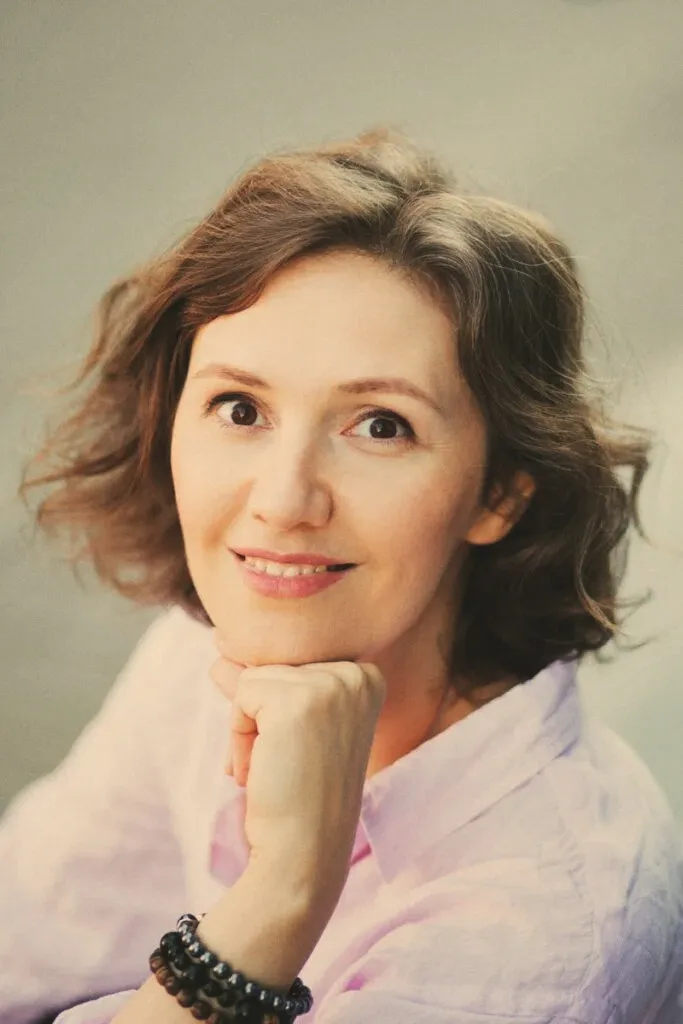
Rare Human started with a sentence I said out loud in the spring of 2023.
Officially, I no longer identify as a beauty coach or a specialist in integrative skincare and natural rejuvenation. Every technique, practice and recipe I had taught for fifteen years was, I finally admitted in public, nothing more than an entry point. A portal through which, with the settings and goals correctly set, a woman ends up in a completely different reality.
I called it a manifesto, half joking. My audience did not treat it as a joke. This post is the longer version of that sentence, and of the two people who turned it into a company. The short version lives on our About page.
Fifteen years of faces
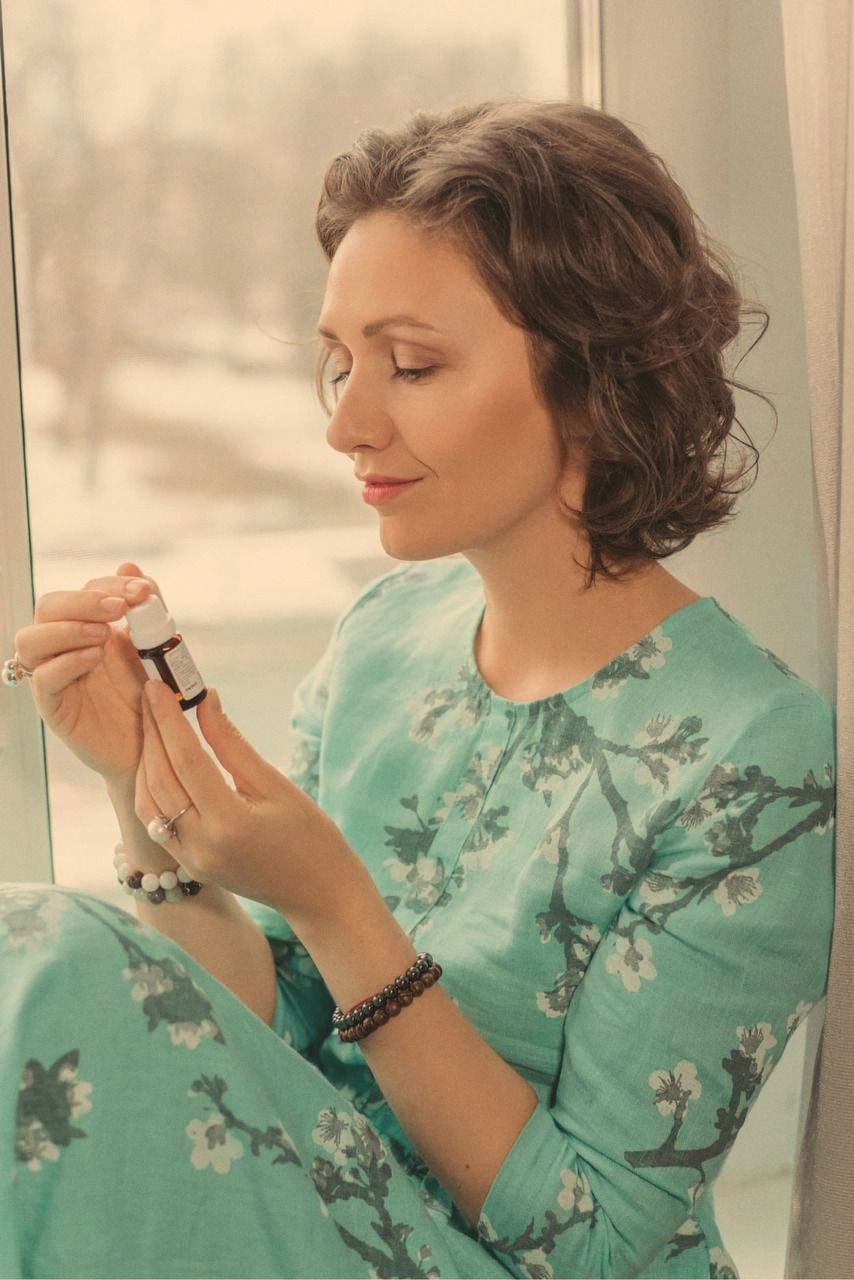
I am from Belarus. I started practising aromatherapy in 2009, became a certified aromatherapist in 2011, and went on to train in facial reflexology, traditional Chinese medicine and psychology. I founded the first Beauty Lab in the country for natural rejuvenation, which grew into a school; more than twenty thousand people have studied there. I wrote three books on skin, aromatherapy and gua sha that sold better than anyone, including me, expected.
All of that was about the face. And the face is where I learned everything I now believe about the rest of the body.
Because the face does not lie about the state it is in. After enough years of it, I could read a woman’s week in her jaw. I watched thousands of women do the exercises correctly and get no calmer, and I watched a smaller number stop fighting themselves and change in ways no technique explains. Behind relaxation, behind the refusal to keep warring with yourself, comes acceptance; then satisfaction; then love. The beauty and the strength show up after that, not before.
That was the discovery that ended the beauty coach. The face was never the problem. It was the dashboard.
New York, and the same fear in a different language
When I was nineteen I stood in Times Square for the first time and could not fit it all inside me. I went on to see a great many countries afterward, and no other city ever compared. Years later, after five moves in one year and a permanently twitching eye, I found myself living in Manhattan, an interestingly dressed woman in New York, the way I had once been struck by an interestingly dressed woman at a post office when I was fifteen.
Dreams come true when there is emotion in them. That is not mysticism; it is the same nervous-system mechanism I teach. But what I found in New York surprised me more than the city did.
I had assumed the conditioning I was working against was post-Soviet: the culture where the worst thing was not failing but embarrassing yourself, where a girl learned to be a student, a sportswoman, a beauty and a perfect wife and mother all at once. What I found here was the same perfectionism in a different accent. The same women, capable at everyone, overriding tiredness and hunger and the need for space, and losing track of what they actually want. The same faces holding the same day. The mechanism is universal. Only the vocabulary changes.
So the work had to change language, and it had to stop being about beauty, and it needed more than one person.
Three people, three disciplines
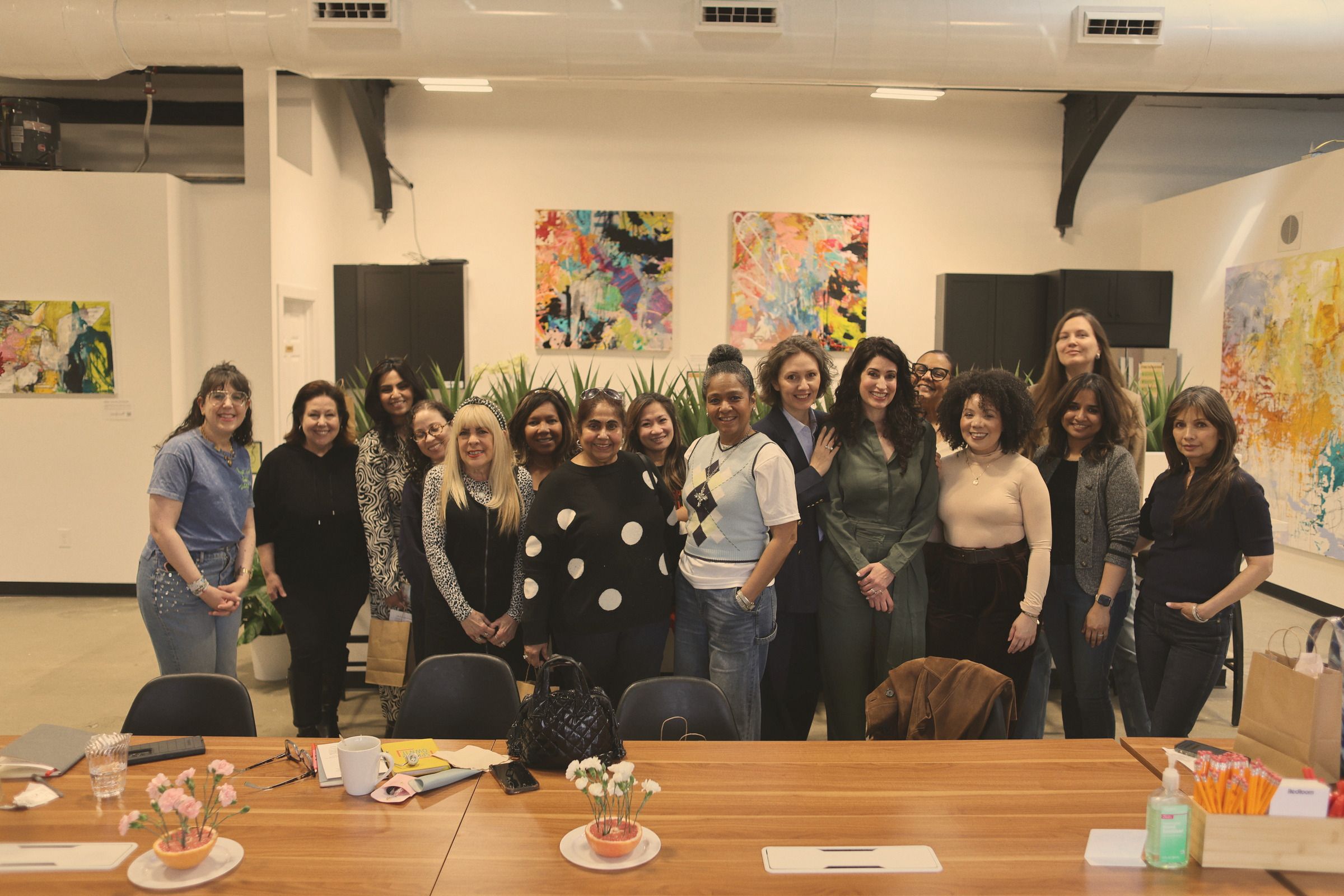
Rare Human is three founders, and none of us could have built it alone.
Yuliya Charamnykh is our chief experience officer, and she is the reason a Rare Human evening feels like being hosted rather than processed. Yuliya also grew up in Soviet Belarus, came to the United States in her early twenties with no connections, and built a life here on determination alone. She raised three children, then founded a sustainable clothing brand made in New York, and along the way became the kind of person who notices whether the room is warm, whether the chairs are close enough for a conversation to happen, and whether the woman by the door has been introduced to anyone. Community and hospitality are not soft extras in this work. They are half of it. The nervous system deeply needs real human connection, and Yuliya builds the rooms where it happens.
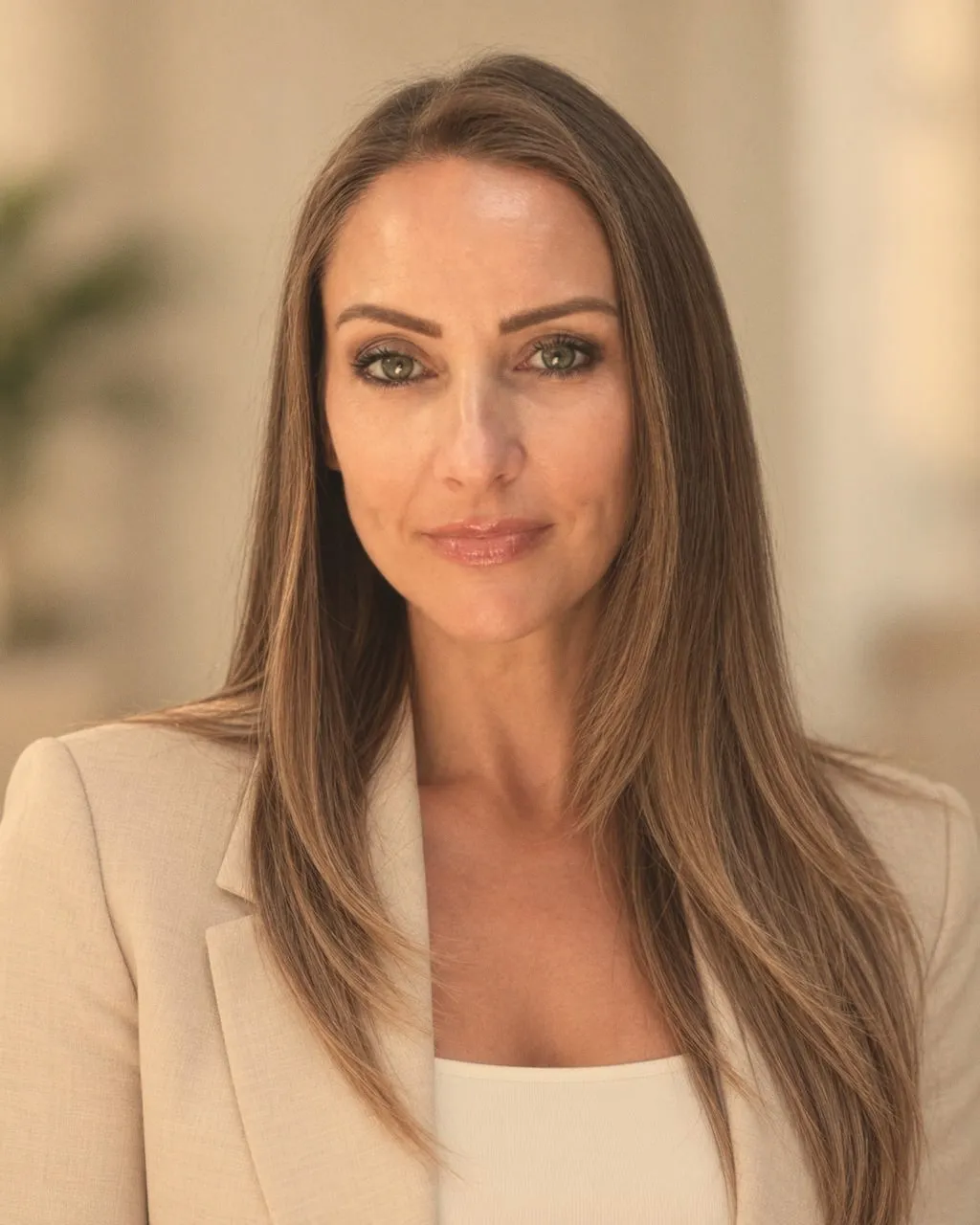
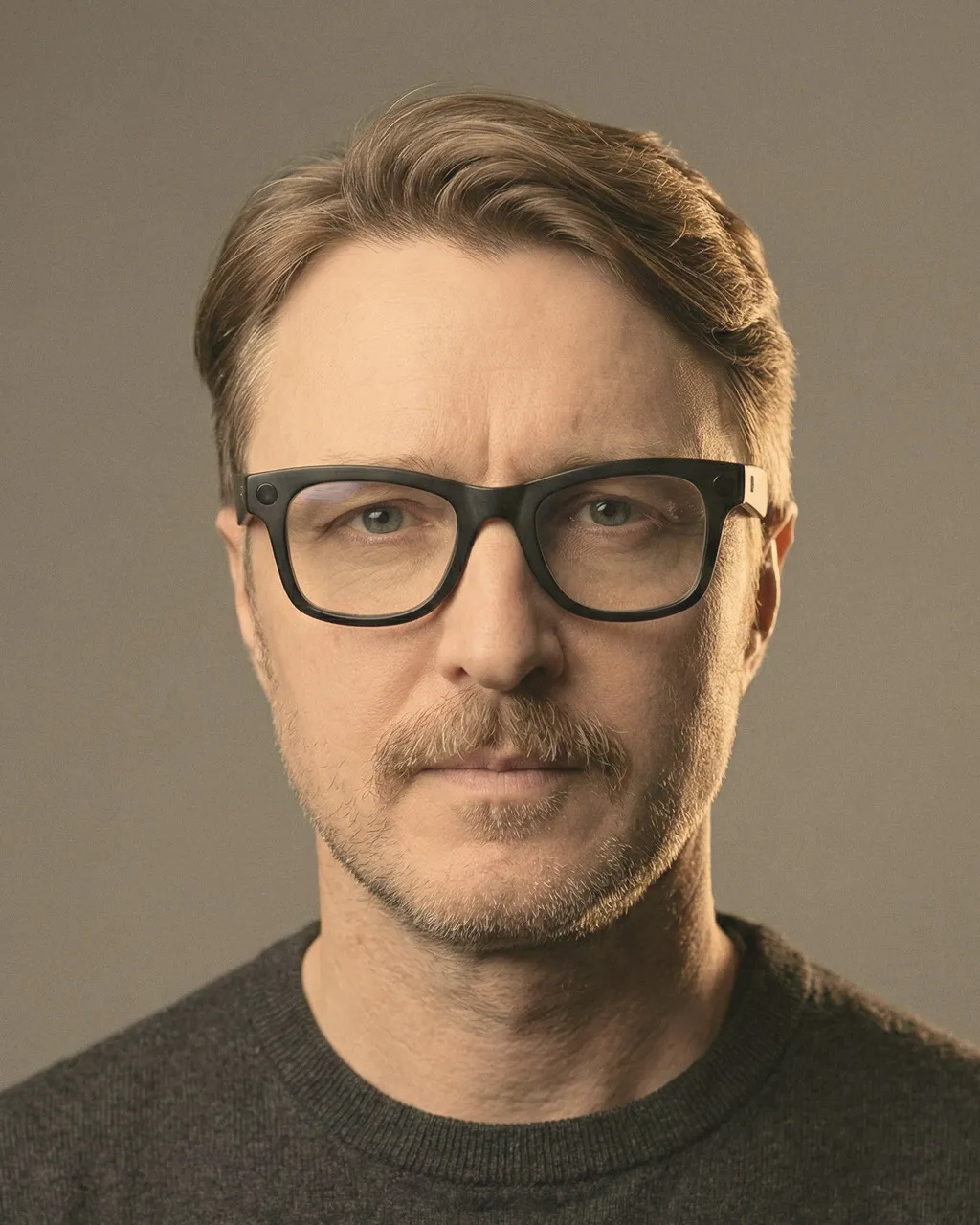
Dmitry Dichkovski is our chief executive and technology officer. He has spent twenty-five years building companies, products and the systems that let them scale, and he brought that discipline to a field that usually runs on good intentions and a spreadsheet nobody can find. Dmitry is why the calendar exists, why a form on this site lands somewhere a human will read it, and why the retreat has a plan for the things that go wrong. He is also the founder who asks, every time, whether a thing we want to do is actually a thing anyone needs. Every company should have one of those.
Mind-body education, hospitality and community, business and technology. Three disciplines that do not usually sit at the same table, which is exactly why it works.
What we mean by Rare Human
The name is not about being special. I spent a long time needing to feel special, and I am still learning to simply be; that is a confession, not a slogan.
It is about the human beneath the role. Most development begins with more information: another framework, another habit, another instruction for doing life better. We begin elsewhere. We pay attention to the face that keeps working, the breath that changes under pressure, the body signals that are easy to override, and the plain human need for pleasure, meaning and contact. Being fully inside your own life, present and unbraced, has become the rare thing. That is the human we mean.
And it is applied. Your body speaks before your mind catches up. We teach people to learn its language before it has to shout, and to do something with what it says: to notice, to translate, to respond. Not another routine to depend on. A skill you carry away.
What we are building
Live experiences in New York, where an idea becomes something you can feel in a room: an evening on the face, a salon built around scent, a free online hour on why women are not renovation projects. A two-night retreat upstate for a small group of women who carry a lot and want, for a while, to carry nothing. And programs for organizations, because the same person who cannot think clearly under pressure at home cannot think clearly under pressure at work either, and the tools are the same.
Personal experiences and retreats are created with women at the centre. The work for organizations is open to everyone.
What we are not
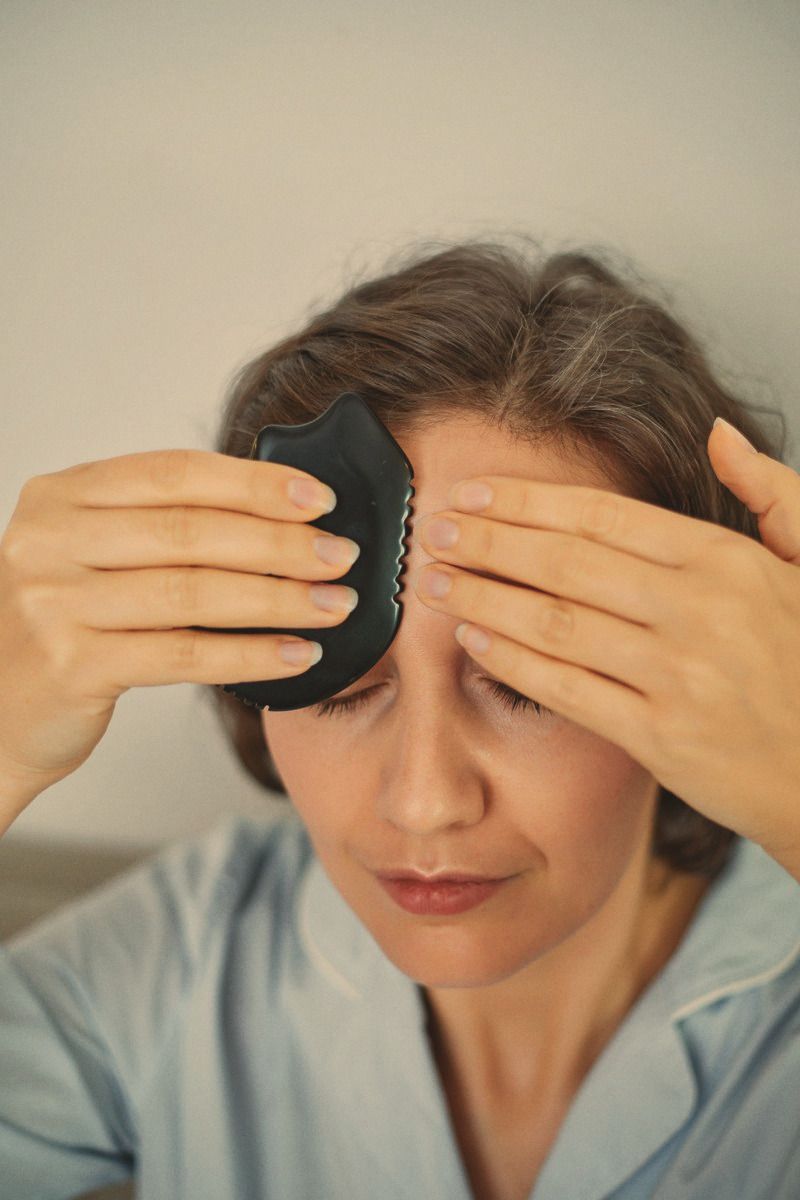
We are not a beauty brand, even though I still love a good gua sha stone and will happily show you how to hold one.
We are not therapy, and we say so on every page. If what you are carrying is bigger than a state to notice and shift, a clinician comes first, and we will tell you that to your face.
And we are not another demand to become better. There is no ideal state to achieve here, no correct way to do a practice, no before-and-after. The work is to notice more, have more choice, and relate to yourself with less pressure. A woman is not a renovation project. Neither is anyone else.
If you want the manifesto behind the company in full, it is the first post on this journal: A woman is not a renovation project. The community begins in the room, and the upcoming experiences are where it starts.